 Skip to content
 - Admission Open For New batch
Generative AI & Agentic AI Course in Pune

TIH at IIT Bombay

TIH at IIT Patna

TIH at IIT Palakkad
- Professional Certification Training Program by Ethan's in Association with TIH at IIT Bombay.
- Perfect for Working professionals seeking AI upskilling, career advancement, better job opportunities, and higher salary potential.
- Master Generative AI, Agentic AI, LLMs, and AI Automation with hands-on learning.
- Build real-world AI applications and automation solutions for business challenges.
- Earn an industry-recognized certification with a portfolio of practical AI projects.
- Learn through a 16-week hybrid program with live sessions and expert mentorship.
Batch Starting on 6th October 2026

16 Weeks
Part-Time Schedule
Hybrid
Classroom & Online
Upskill
Advance Your Career
TIH at IIT Bombay
Premier Institute Certification
- Learn From AI Experts
Generative AI & Agentic AI Course in Pune

IIT & IIM
Alumni
Learn directly from IIT & IIM Alumni with Industry Expertise.

1:1
Mentorship
Get personalized guidance to accelerate your AI career growth.

Real-World
Insights
Gain practical knowledge beyond theoretical concepts.

Production-Grade
AI
Learn to build, fine-tune, and deploy AI agents and LLMs.
IIT Bombay & IIM Bangalore Alumni
Learn directly from Anurag Kumar with industry expertise.
1:1 Mentorship
Get personalized guidance to accelerate your AI career growth.
Real-World Insights
Gain practical knowledge beyond theoretical concepts.
Production-Grade AI
Learn to build, fine-tune, and deploy AI agents and LLMs.
Register to confirm your seat. Limited seats are available.
53K+
PROFESSIONALS TRAINED
319+
WORKSHOPS DELIVERED
171%+
SALARY HIKE
57+
CORPORATE PARTNERS
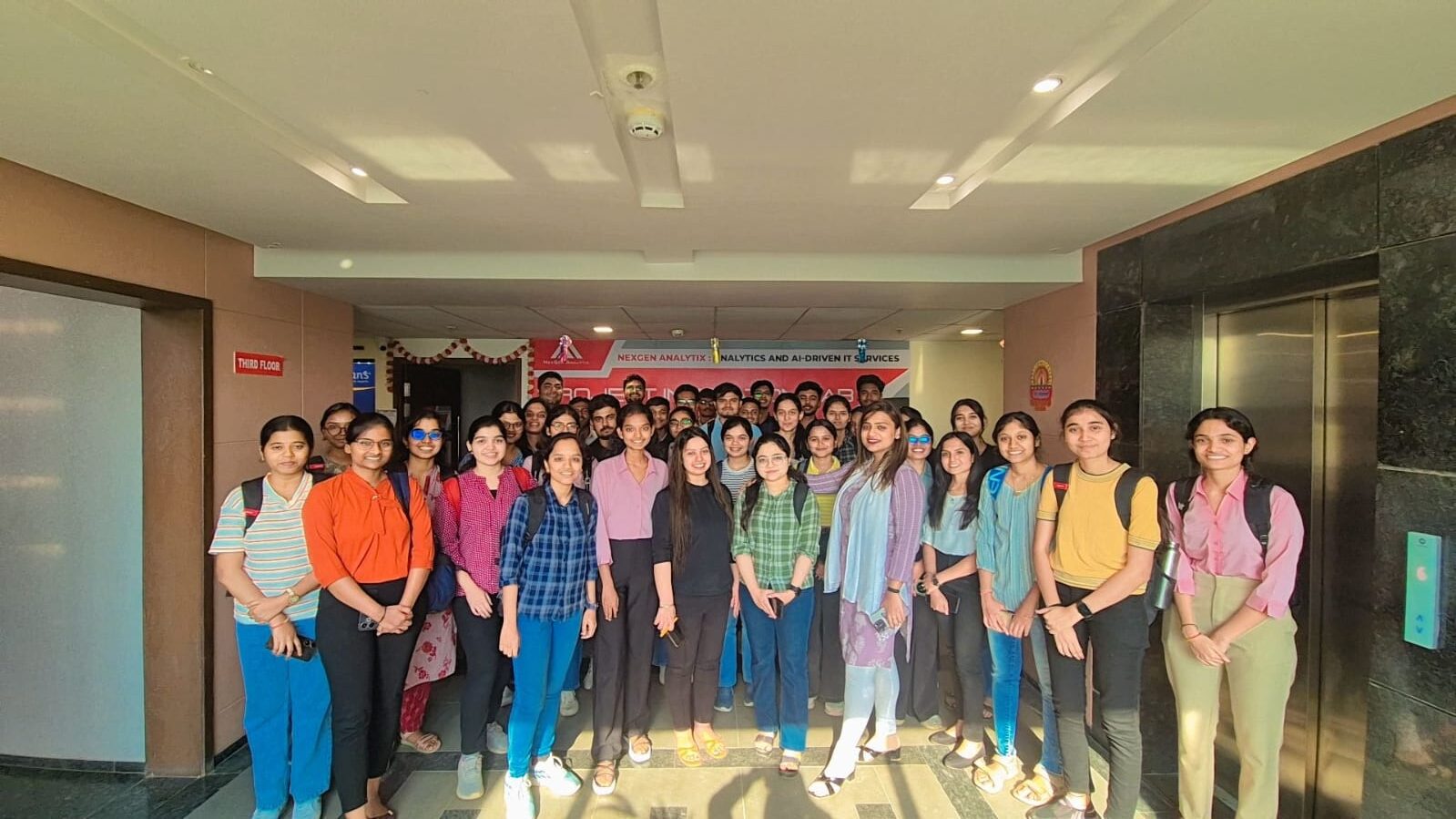
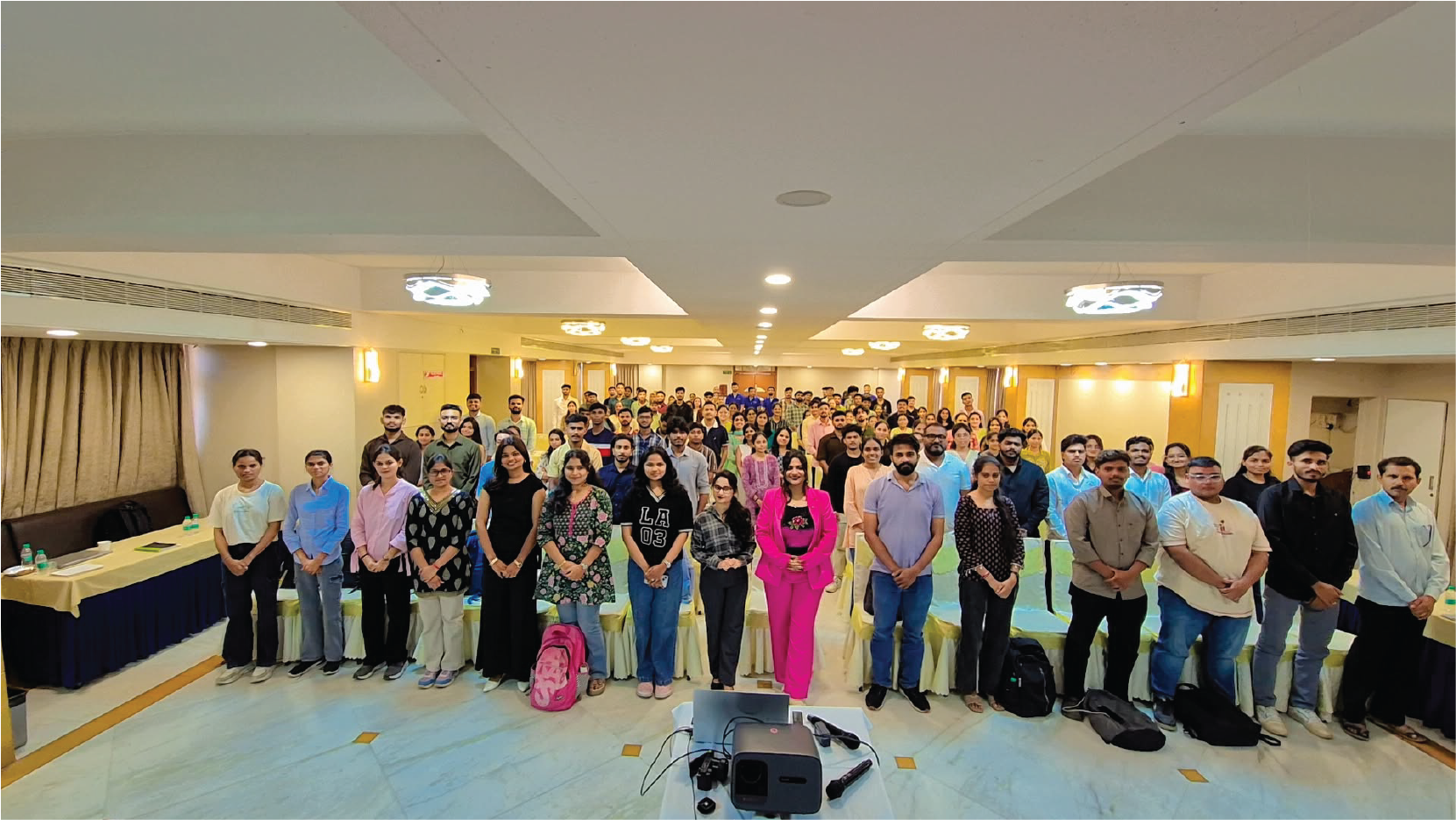
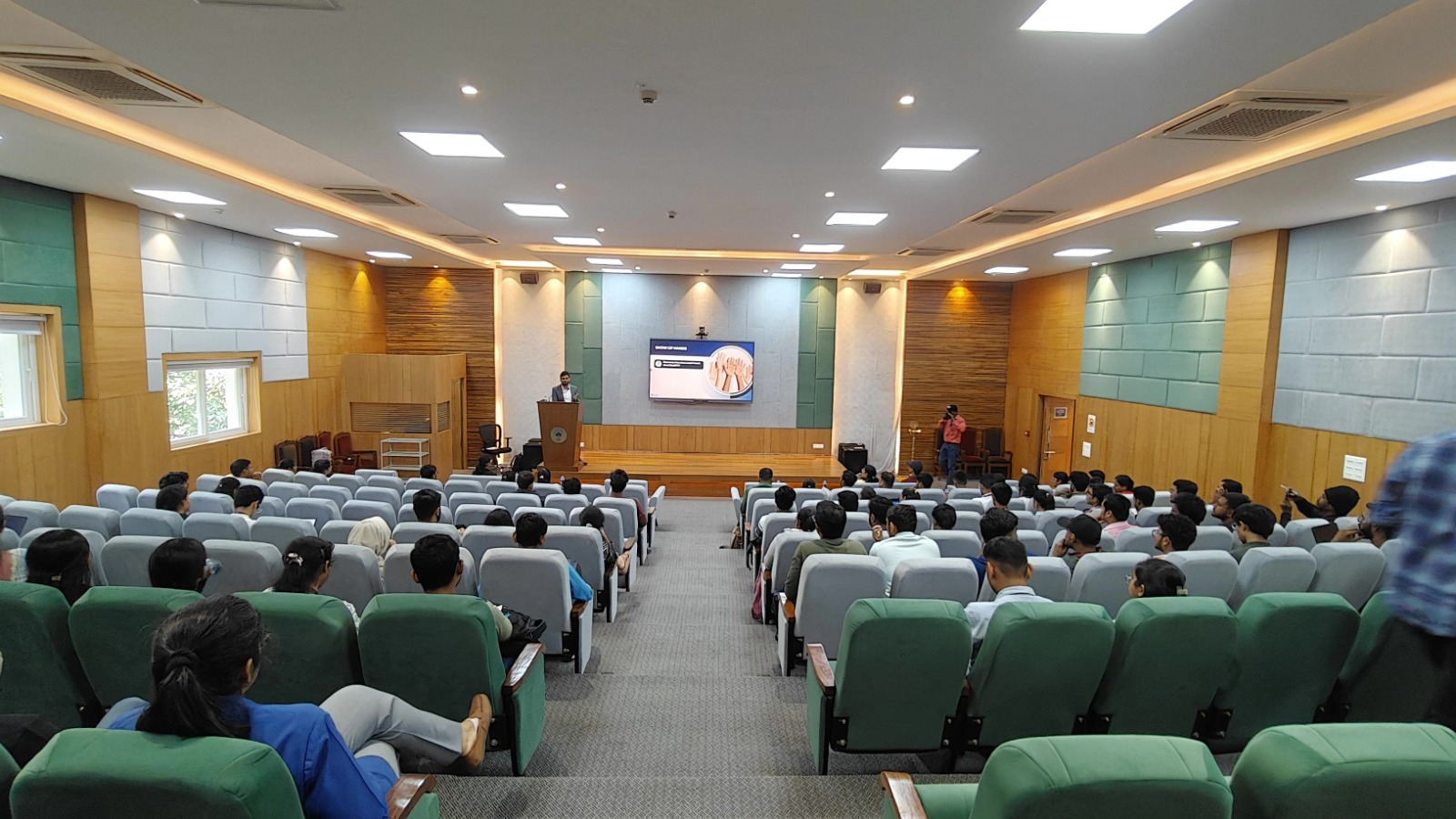
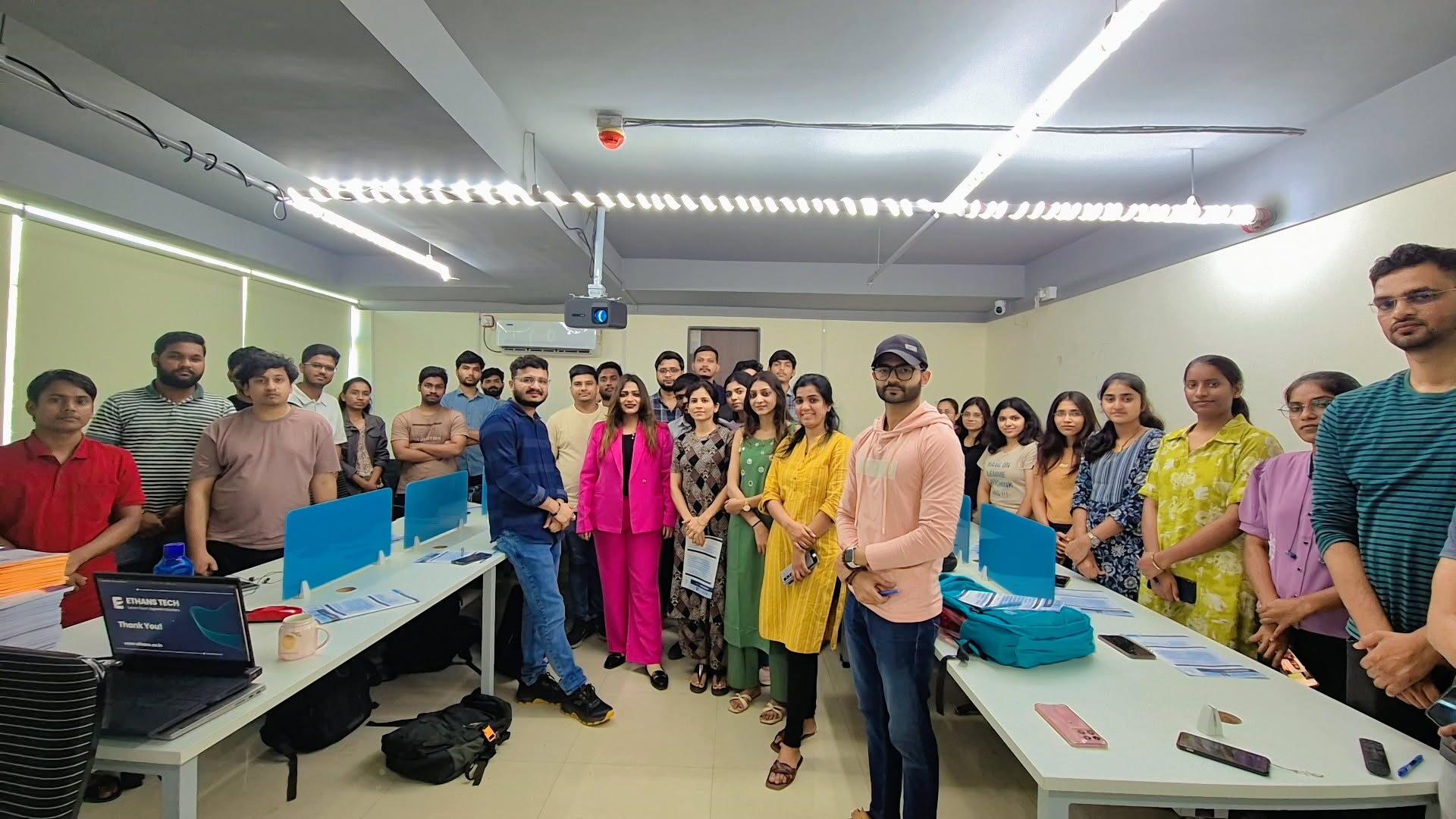
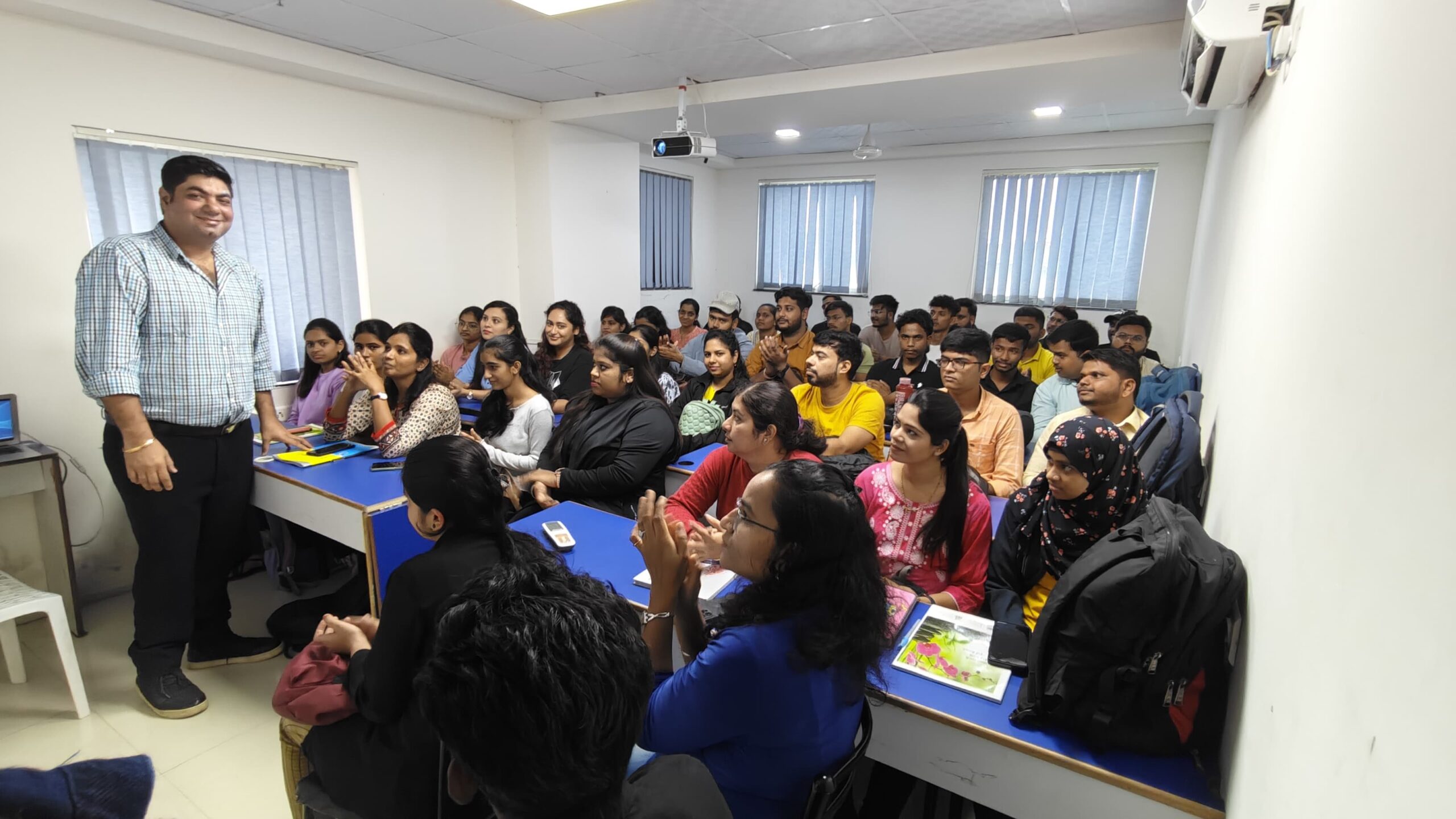
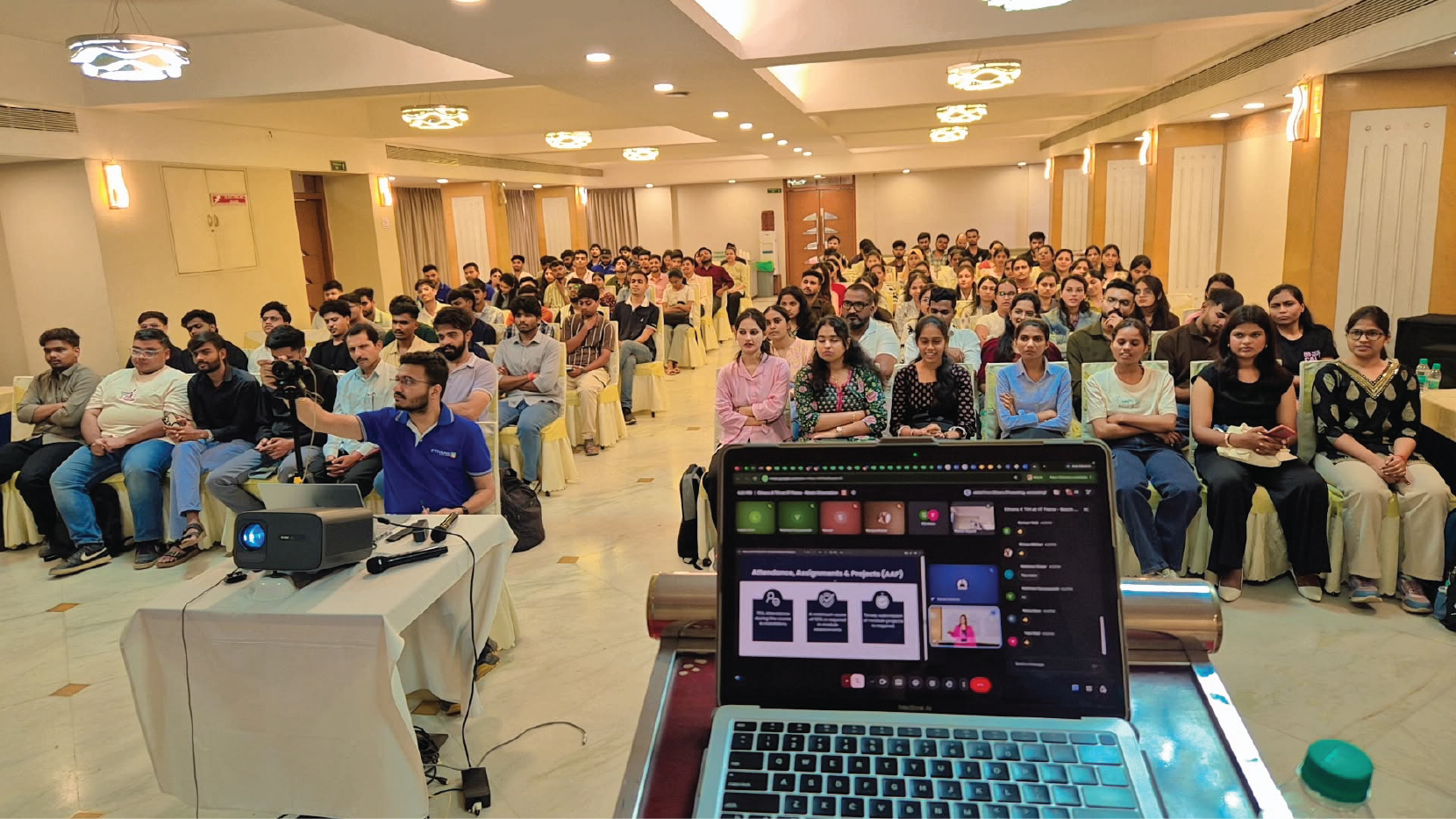
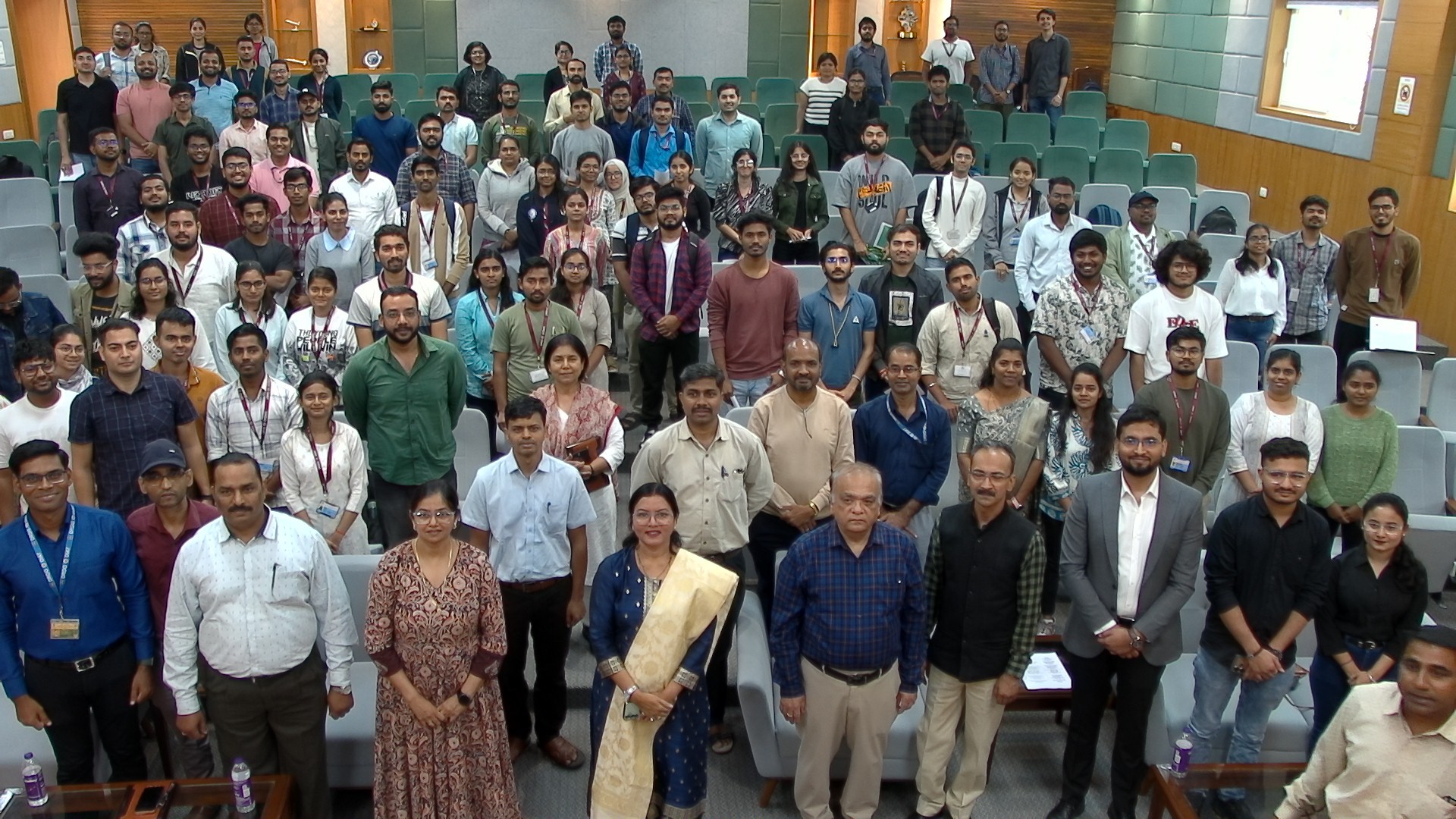
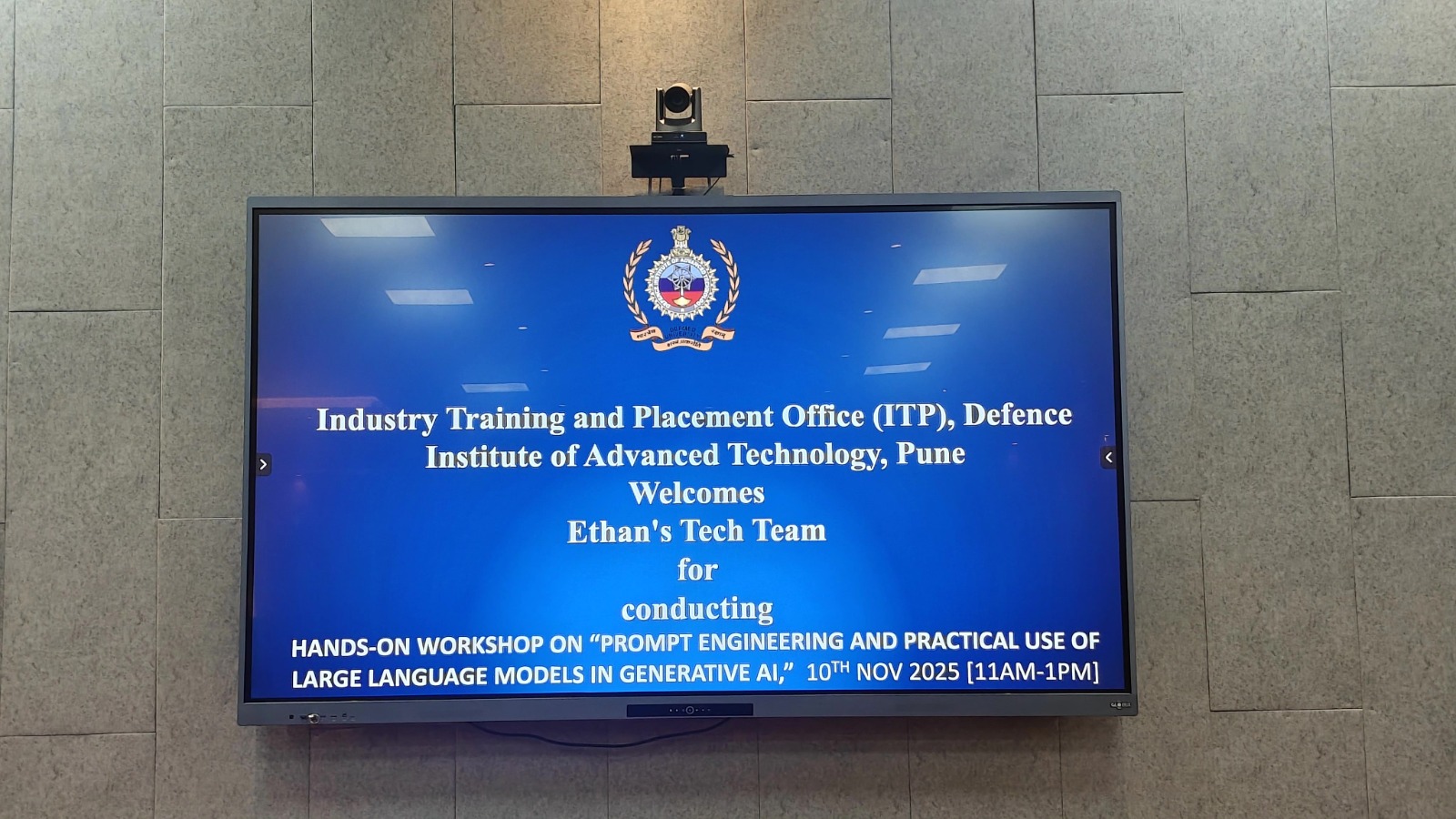
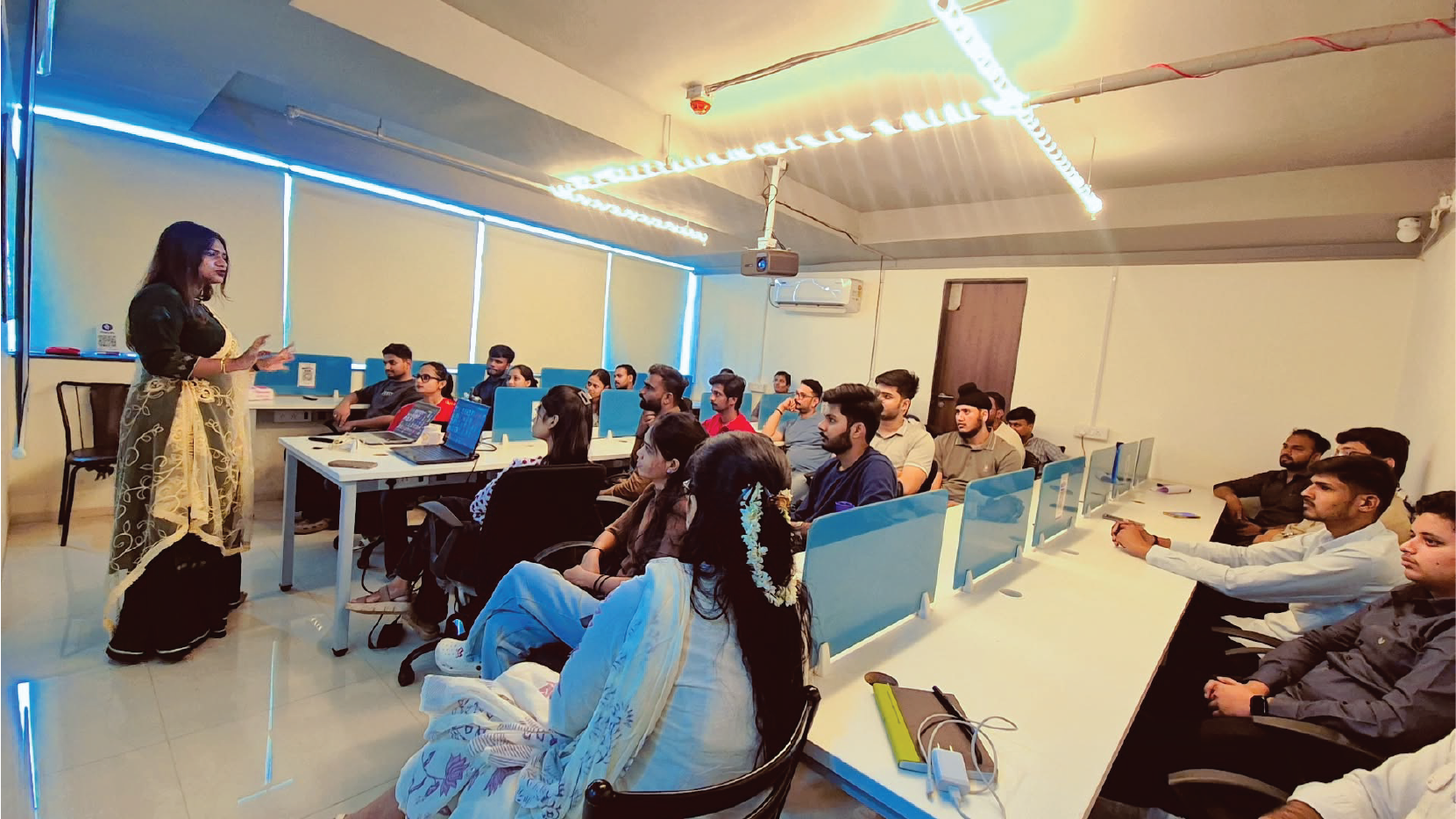
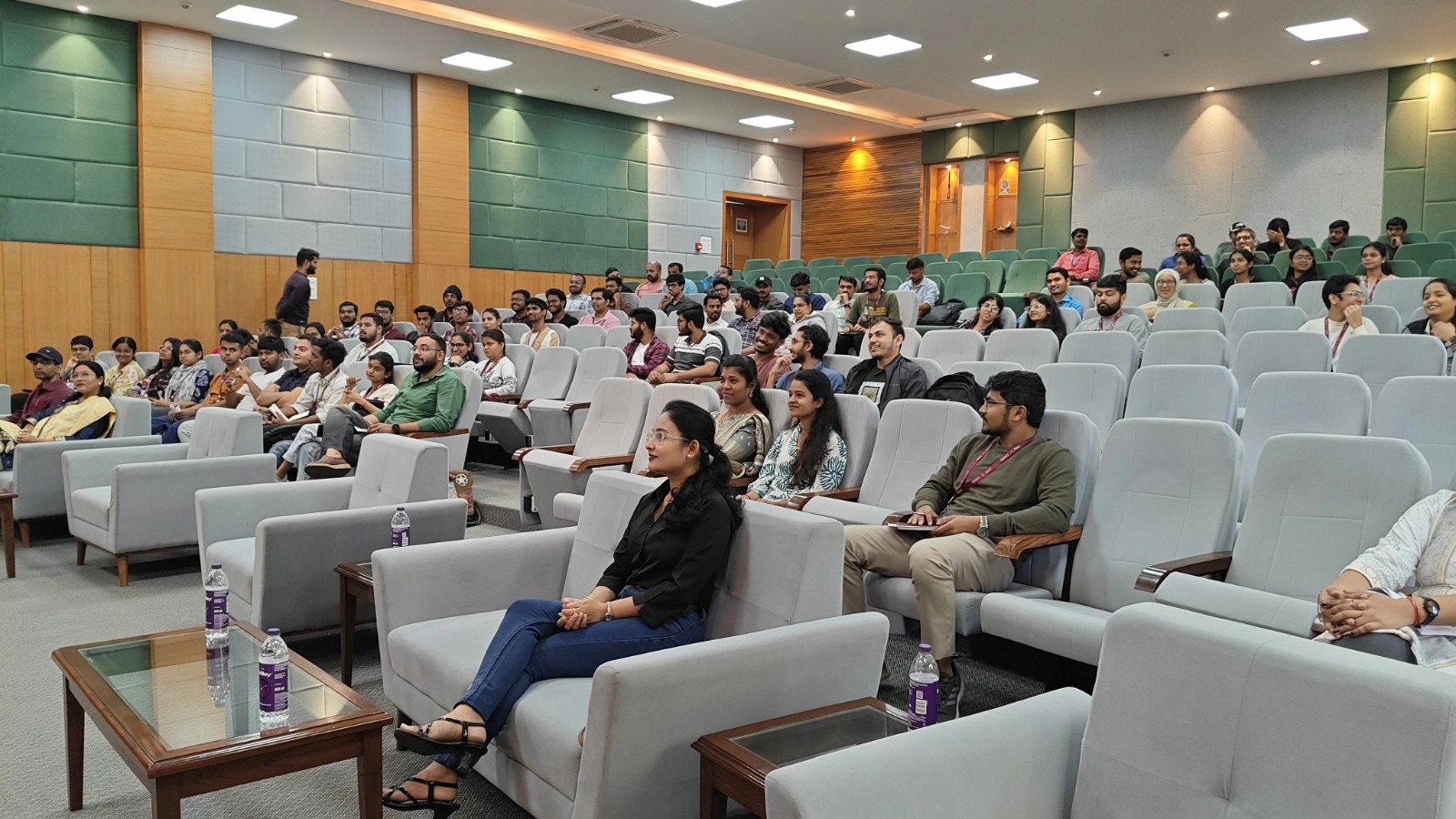
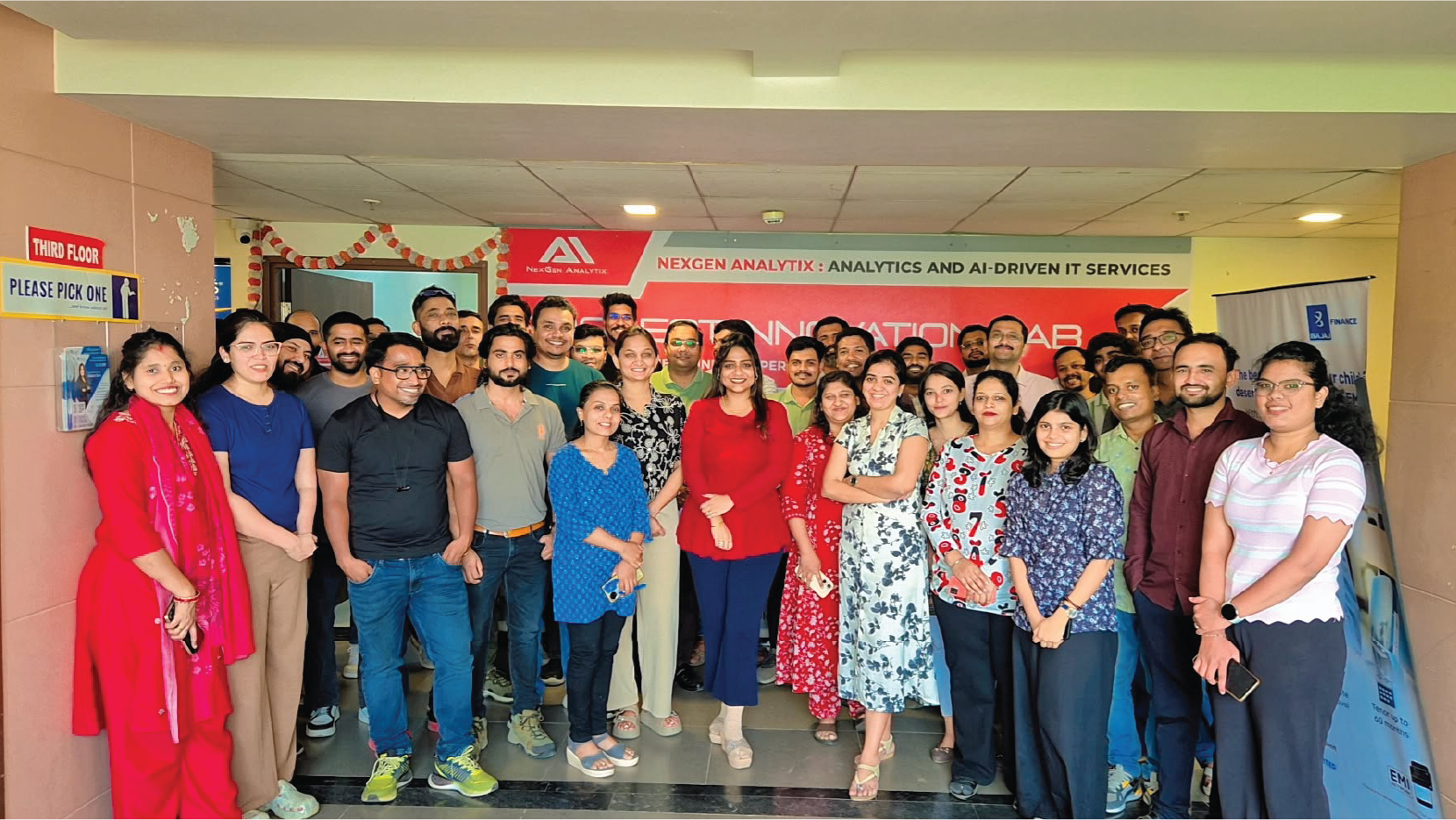
Generative AI & Agentic AI Training Location











Learn From the Masters
Our team is made up of industry experts, seasoned professionals, and passionate trainers who work together as a close-knit family. We believe in not just teaching, but inspiring and growing together — creating a learning environment that feels like home and performs like the best in the business.

Gurjeet Sir
Ex IIT Kharagpur, AI

Sachin Sir
Ex Microsoft – Azure

Vinit Sir
Ex IIT Bombay, GenAI

Alam Sir
Cloud & DevOps Architect

Jatin Sir
Ex Credit Suisse, Python

Siddhant Sir
Ex IIIT Allahabad, DSA

Raman Sir
Ex-Data Analyst, MuSigma

Anurag Sir
Ex-IIM Bangalore, GenAI

Himanshu Sir
- PROGRAM HIGHLIGHTS
Generative AI & Agentic AI Training Highlights
Hands-On Projects & Real AI Systems
10+ Industry Tools Covered
Agentic AI & Multi-Agent System Design
Production Optimization & Fine-Tuning
Enterprise Capstone Project
Master Cutting Edge AI Tools


About the Course
Generative AI & Agentic AI Course in Pune
Learn from Industry Certified Professionals
Since its establishment, Ethans Tech has empowered numerous individuals to become job-ready in the highly sought-after field of Generative AI within the IT industry. Our Generative AI course, enriched with advanced methodologies, is succinct and incorporates multiple projects, providing attendees with in-depth knowledge and confidence for interviews. Our skilled trainers, available on both weekends and weekdays, offer expert guidance. As a prominent coaching center in Pune, Ethans Tech has an impressive track record, providing a robust foundation in Generative AI.
The Generative AI Course, crafted by industry mentors from various MNCs, is the outcome of extensive discussions utilizing Generative AI. It encompasses a comprehensive syllabus focused on practical and project-based learning. Generative AI training in Pune ensures a holistic understanding of technology, enabling students to establish a solid foundation in the subject. Right from the beginning, participants acquire interview-ready skills, leveraging Generative AI to navigate interviews successfully and showcase advanced knowledge of key concepts.
What Will You Learn in a Generative AI & Agentic AI Course?
Our Generative AI Course in Pune is designed to equip you with the practical skills needed to build AI-powered applications and automate real-world workflows. You’ll begin with the fundamentals of Artificial Intelligence, Machine Learning, and Large Language Models (LLMs) before progressing to advanced Generative AI concepts.
Throughout the course, you’ll gain hands-on experience in prompt engineering, Retrieval-Augmented Generation (RAG), AI agents, vector databases, and AI application development. You’ll also work on industry-focused projects using leading AI platforms and frameworks, preparing you for roles in AI development, automation, data science, and software engineering.
Whether you’re a student, working professional, or entrepreneur, this Generative AI training helps you build job-ready skills aligned with the latest industry demands.
How does Generative AI & Agentic AI improve Data Science insights and decision-making through advanced visualization?
Why Enroll in a Generative AI & Agentic AI Course?
The attractiveness of pursuing a career in generative AI has significantly increased, as noted by Andrew Flowers, an economist at Indeed in Austin, Texas.
The demand forprofessionals proficient in generative AI is on the rise, driven by the surge in data, commonly known as Big Data, and related fields. Effectively managing the vast volumes of daily-generated data necessitates experts with the skills to process, analyze, and structure information, extracting valuable insights for informed decision-making. Generative AI has emerged as a highly promising field in recent times.
The demand for generative AI professionals is consistently growing and is anticipated to escalate further in the future. IBM projects job openings to range between 200,000 and 600,000 in the year 2020, with estimates reaching an impressive 700,000 openings.
Generative AI professionals secure the top position on Glassdoor’s list of jobs, a status expected to persist. The demand for generative AI experts is experiencing exponential growth, fueled by the increasing volume and diversity of data. Various roles within the generative AI field, including generative AI engineer, generative AI manager, and big data architect, are emerging. Industries such as finance, telecommunications, retail, and insurance are becoming prominent players in recruiting generative AI professionals.
Organizations today can derive numerous benefits from the accessibility of data. Consequently, companies are offering competitive salaries to generative AI professionals. Positions like Generative AI Analysts, Generative AI Scientists, and Generative AI Engineers are in high demand, with India ranking as the second-highest country in recruiting generative AI professionals, boasting 50,000 available positions, second only to the United States.
Which Generative AI & Agentic AI Tools and Technologies Will You Learn?
Our Generative AI Course covers the latest AI tools and technologies used by leading companies to build intelligent applications and AI-powered automation solutions.
You will gain practical experience with tools and frameworks including OpenAI GPT, Google Gemini, Anthropic Claude, Hugging Face, LangChain, LangGraph, CrewAI, AutoGen, Ollama, Python, ChromaDB, Pinecone, FAISS, Docker, FastAPI, Git, GitHub, and n8n. You’ll also learn to work with APIs, vector databases, Retrieval-Augmented Generation (RAG), AI agents, and prompt engineering techniques.
By the end of the program, you’ll have hands-on experience building real-world AI applications, intelligent chatbots, AI agents, document assistants, and workflow automation projects using the latest Generative AI technologies.
What is the Potential for Job Opportunities With Generative AI Training?
Upon successful completion of the generative AI certification course at EthansTech, your professional trajectory in this dynamic field is poised for upward advancement.
Various roles in Generative AI that you can explore post your Generative AI training certification include
Generative AI Content Engineer – Tasked with crafting innovative content through the development of advanced algorithms and systems. This role demands a creative approach to solving intricate problems using generative AI techniques. Average Salary: Rs 8,00,000 per annum
Generative AI System Architect – As a Generative AI System Architect, your main responsibility involves designing and supervising the implementation of robust infrastructures for generative AI models. This position is critical for ensuring the efficacy of generative AI solutions within an organization. Average Salary: Rs 1,200,000 per annum
Generative AI Insight Analyst – Generative AI Insight Analysts decipher complex algorithms and data patterns, transforming them into easily understandable insights for broader audiences. Average Salary: Rs 7,00,000 per annum
Upon completing the Generative AI Certification Course with EthansTech, anticipate an annual salary increase of approximately 15%. This figure is likely to grow with additional years of work experience and the mastery of diverse generative AI skills.
Why Choose Ethans for Generative AI & Agentic AI?
Our Generative AI Training in Pune is the optimal choice for enthusiasts pursuing careers in Generative AI. Catering to current industry demands, both newcomers and professionals seeking a career shift to Generative AI can enroll in our Generative AI Course in Pune. Whether you are new to programming and statistics or have experience, we have you covered. Our Generative AI training starts from the basics, covering Statistics, Mathematics, SQL, Exploratory Data Analysis (EDA), Statistical analysis, and Python programming, and progresses to advanced topics such as AI, Machine Learning, Business Analytics, Predictive Analytics, Text Analytics, and more.
Our Generative AI training is suitable for:
- Managers
- Data Analysts
- Business Analysts
- Database Administrators
- Networking Operators
- Professionals looking to change their career path
- Legacy Technologies Professionals
- IT Developers and Software Professionals
- Job Seekers
- Fresh Graduates
- End Users
Given the growing demand for big data analytics, Generative AI has become a pivotal technology and a major focal point across the IT and corporate landscape. Now is the opportune moment to delve into this field. Throughout our Generative AI Training in Pune program, our expert trainers and mentors provide comprehensive support to participants. Through a concerted effort in our Generative AI Training, we strive to transform our students into fully equipped and career-ready Generative AI professionals.
Syllabus
Generative AI & Agentic AI Course
Generative AI & Agentic AI Content
Python for GenAI
- Installation Process
- Python Interpreter Installation
- Python vs Anaconda Python
- IDE installation
- Introduction of Jupyter Notebook
- Introduction to Python & Its Objects
- Python syntax basics
- Comments in Python
- Indentation rules
- Variables in Python
- Basic data types – int, float, str, list, dict, tuple, set, None, Bool
- Arithmetic operators
- Comparison operators
- Assignment operators
- Membership and identity operators
- Data Handling in int, Str
- Indexing & Slicing in strings
- Operators in Python & User Defined Functions
- Basic operations on list
- Basic operations on tuple
- Basic operations on dict
- Introduction to Set, None and Bool Objects
- Introduction to User Defined Functions
- Defining a Function using def
- Calling a Function
- Function Parameters and Arguments
- Default Parameters
- Keyword Arguments
- Return Statement
- Functions in Python
- Built-in functions in Python
- input(), len(), type(), abs(), pow(), min(), max(), sum(), range(),
- enumerate(), zip(), map(), filter(), sorted(), reversed(), all(), any(), id(), help(), dir(), isinstance().
- str – lower(), upper(), strip(), replace(), split(), join(), find(), startswith(), endswith(), count(), capitalize(), title(), swapcase(), isdigit(), isalpha(), isalnum()
- list -m append(), extend(), insert(), remove(), pop(), clear(), index(), count(), sort(), reverse()
- tuple – count(), index()
- dict – keys(), values(), items(), get()
- Conditonal Statement in Python
- Introduction to Conditional Statements
- if Statement
- if-else Statement
- if-elif-else Statement
- Nested if Statements
- Comparison Operators in Conditions
- Logical Operators (and, or, not)
- Practical Examples of Conditional Statements
- Exception Handling try, except
- Loops in Python – for
- Introduction to for Loop
- Syntax of for Loop
- Flow of Execution in a for Loop
- Using Conditions in for Loop
- Using break with for Loop
- Using continue with for Loop
- Using pass in for Loop
- for Loop with else Statement
- Nested for Loops
- Python Modules
- Introduction to Python Built-in Modules
- Importing Modules (import, from, as)
- Exploring Modules using dir()
- The datetime Module
- requests Module
- Json Module – Introduction to JSON Format, Reading & Writing JSON Data, Converting Python Objects to JSON (dump, dumps), Converting JSON to Python Objects (load, loads)
- Pip installation
- AI API’s Python
- Setting up Environment (Python, pip, virtual environment, API keys)
- Working with ChatGPT API (OpenAI) – basic request & response
- Gemini API Integration (Google AI) – setup and simple usage
- Prompt Engineering Basics – writing effective prompts
- Mini Project (Text summarizer or email generator)
- Error Handling & API Best Practices (rate limits, cost control)
- Data Handling with Python (pandas)
- File Handling – Open, Write and Append
- Introduction to Pandas
- Installing and Importing Pandas
- Pandas Series
- Handling Pandas Series
- Pandas DataFrame
- Handling Pandas DataFrane
- Accessing Dataframes
- Reading CSV
- Reading Excel
- Reading JSON
DS Foundation for GenAI
- AI, Machine Learning & Deep Learning Fundamentals
- AI, ML and DL Overview: Evolution of AI technologies and difference between Artificial Intelligence, Machine Learning and Deep Learning.
- Machine Learning Fundamentals: How models learn patterns from historical data and use them for prediction.
- Types of Machine Learning: Supervised learning, unsupervised learning and reinforcement learning approaches.
- ML Problem Types: Understanding regression, classification and clustering use cases.
- Machine Learning Workflow, Data Preparation & Feature Engineering
- ML Lifecycle: Problem definition, data collection, model development, evaluation and deployment process.
- Data Preprocessing: Handling missing values, duplicate records, incorrect data and preparing clean datasets.
- Features and Labels: Understanding input variables and target outputs used during model training.
- Dataset Splitting: Training, validation and testing approaches for reliable model evaluation.
- Feature Engineering: Creating, transforming and selecting features to improve model performance.
- Machine Learning Algorithms & Model Evaluation
- Regression: Predicting continuous numerical values using techniques like Linear Regression for real-world prediction problems.
- Classification: Predicting categories using algorithms such as Logistic Regression, Decision Tree and Random Forest.
- Clustering: Grouping similar data points using unsupervised learning techniques like K-Means.
- Model Evaluation: Measuring performance using Accuracy, Precision, Recall, F1 Score, MAE and RMSE.
- Model Improvement: Understanding overfitting, underfitting and regularization techniques.
- Neural Network Fundamentals
- Artificial Neuron: Basic unit of neural networks that processes inputs using weights and produces outputs.
- Perceptron: Simple neural network model used to understand binary classification concepts.
- Neural Network Architecture: Structure of input layer, hidden layers and output layer.
- Weights and Bias: Parameters adjusted during training to improve model predictions.
- Activation Functions: ReLU, Sigmoid and Softmax functions used to introduce non-linearity.
- Deep Learning Model Training & Optimization
- Forward Propagation: Flow of input data through neural network layers to generate predictions.
- Loss Function: Method to measure difference between actual and predicted results.
- Backpropagation: Technique used to calculate errors and update network weights.
- Gradient Descent and Optimizers: Methods used to minimize errors and improve model learning.
- Training Parameters: Epoch, batch size and learning rate concepts affecting training performance.
- Regularization: Techniques such as dropout used to reduce overfitting.
- Deep Learning Architectures: CNN and Sequence Models
- CNN Fundamentals: Neural network architecture used for image processing and feature extraction.
- Convolution Operation: Using filters to identify patterns such as edges and shapes in images.
- Feature Extraction: Learning important representations automatically from raw data.
- Sequence Models: Neural networks designed for ordered data such as text and time series.
- RNN, LSTM and GRU: Models used for handling sequential information and memory.
- Natural Language Processing Fundamentals
- NLP Overview: Applications of natural language processing in text analysis and language-based systems.
- Text Processing: Preparing raw text data before applying machine learning models.
- Tokenization: Splitting text into smaller units for processing.
- Text Cleaning: Removing unnecessary words and standardizing text using stop words, stemming and lemmatization.
- Text Representation: Converting text into numerical format using Bag of Words and TF-IDF.
- Text Representation, Embeddings & Attention Basics
- Word Embeddings: Representing words as numerical vectors to capture meaning and relationships.
- Semantic Similarity: Comparing relationships between words and text using vector representations.
- Attention Mechanism: Concept of focusing on important information while processing sequences.
- Transformer Basics: Introduction to attention-based architecture including encoder and decoder concepts.
- NLP Workflow: Complete flow from text preprocessing to representation and prediction.
GenAI & Agentic AI
- Setup & Environment
- Assumed knowledge: working Python (variables, functions, loops, pandas basics)
- Install Python and an IDE (VS Code), or use Google Colab
- Jupyter Notebook basics
- Create accounts and API keys: OpenAI, Google Gemini (AI Studio), Anthropic Claude
- Install the provider SDKs and core libraries
- Managing secrets: .env files and keeping API keys safe
- Generative AI Foundations & Your First API Call
- Traditional AI vs Generative AI: the paradigm shift
- How LLMs work (intuition): transformers, attention, next-token prediction
- Tokens, embeddings and context windows: the engineering implications
- Decoding controls: temperature, top-p, sampling
- LLM limitations: hallucination, knowledge cutoff, context degradation
- Calling the models: OpenAI, Google Gemini and Anthropic Claude SDKs
- Project: Multi-model playground – one interface that queries OpenAI, Gemini and Claude side by side
- Practical GenAI Use-Cases from Data
- Turning a business problem into a prompt
- Text classification and sentiment analysis
- Tagging, extraction and named-entity recognition
- Summarization: short, long and structured
- Translation and tone / style transfer
- Batch processing over a dataset (pandas + the API)
- Cost, latency and picking the right model for the job
- Project: Use-case pack – a reusable notebook of GenAI building blocks run over real data
- Prompt Engineering that Works
- Zero-shot, few-shot and chain-of-thought (CoT) prompting
- Self-consistency and tree-of-thought (intro)
- Role and persona prompting for consistent behaviour
- Output constraints: format, length, tone
- Prompt injection: attack vectors and defenses
- Evaluation-driven iteration: test, measure, improve
- Prompt versioning and management (intro)
- Hands-on: provider playgrounds, LangChain PromptTemplate
- Project: A reusable prompt-pattern library for the rest of the course
- Building a Chatbot from Scratch
- Anatomy of a chat completion; why LLMs are stateless
- Conversation memory: how a bot ‘remembers’ a turn
- Multi-turn dialogue and the chat loop
- System prompts and grounding the bot’s persona
- A simple, shareable web UI (Gradio / Streamlit)
- Hands-on: chat loop class + web interface
- Project: Resume / Interview Bot that role-plays from your resume, with a web UI
- Structured Output & Guardrails
- Why structured output is essential for real applications
- JSON mode and JSON-schema enforcement
- Typed, validated outputs with Pydantic
- Designing output schemas for downstream systems
- Safety guardrails: input / output validation, refusal handling
- Failure modes, retries and graceful degradation
- Hands-on: OpenAI JSON mode, Pydantic, Guardrails AI
- Project: A production-grade classifier with schema-validated output
- Tool Use & Function Calling
- What tool / function calling is and why agents need it
- Defining function schemas the model can call
- Tool orchestration and chaining
- Connecting tools: web search, image generation, calculators, APIs
- Handling tool errors and ambiguous calls
- Hands-on: OpenAI function calling, Anthropic tool use, Gemini
- Project: Tool-using assistant that searches the web and generates images on demand
- Enterprise RAG & Retrieval Foundations
- Why RAG: knowledge-freshness, grounding and the enterprise knowledge problem
- Embeddings: what they are and how to choose an embedding model
- Vector databases and similarity search: FAISS / ChromaDB, and enterprise stores (pgvector, Pinecone, Weaviate)
- Chunking strategies: fixed, recursive, semantic, document-aware
- The end-to-end RAG pipeline: ingest, embed, retrieve, generate
- Hands-on: LangChain, embeddings, a vector database
- Project: Multi-document RAG chatbot – chat with your own PDFs
- Graph Databases & Semantic Search Optimization
- Semantic search optimization: keyword vs semantic vs hybrid search (BM25 + vectors)
- Two-stage retrieval: retrieve-then-rerank with cross-encoders
- Query optimization: rewriting, expansion and metadata filtering
- Knowledge graphs and graph databases (Neo4j): modeling entities and relationships
- GraphRAG: graph-based vs vector-only retrieval, and when relationships matter
- Hands-on: hybrid search, a reranker, and Neo4j / GraphRAG
- Project: Enterprise knowledge-base chatbot combining vector and graph retrieval
- Building Your First AI Agent
- What an agent really is: goals, tools, memory, autonomy
- The ReAct pattern: reasoning and acting in a loop
- Agent design patterns: researcher, planner, writer
- Short-term memory and structured context passing
- Building agents with LangGraph
- Hands-on: LangGraph, a tool-using agent
- Project: Research Agent that plans, searches and writes up findings autonomously
- Advanced Agents: Token Management, State Persistence & Long-Term Memory Architectures
- Token and context-window management: budgeting, summarization, context compaction
- State persistence: checkpointing and durable state across runs (LangGraph persistence)
- Long-term memory architectures: vector, episodic and semantic memory (Mem0)
- Human-in-the-loop: approvals, interrupts and steering
- Reliability and safe autonomy: retries, fallbacks, idempotency, scoping
- Hands-on: context budgeting + a memory store + an interrupt / approval step
- Project: Agentic app with long-term memory, persistent state and a human-in-the-loop checkpoint
- Multi-Agent Systems
- Multi-agent architectures: sequential, parallel, hierarchical
- Role-based agents: specialist vs generalist
- Coordinator-dispatcher and delegation patterns
- Passing context and outputs across agent boundaries
- Frameworks: CrewAI and Google ADK
- Hands-on: CrewAI, Google ADK, LangGraph multi-agent
- Project: Multi-agent research crew (fetcher, analyzer, writer)
- MCP: The Model Context Protocol
- What MCP is and why modern agents use it
- MCP architecture: client, server, transport
- Registering tools, resources and capabilities via MCP servers
- Connecting agents to databases, APIs and internal systems
- MCP vs traditional tool-calling: when and why
- Hands-on: the MCP SDK
- Project: Build an MCP server and connect it to an AI assistant
- Agentic Automation with n8n
- No-code / low-code automation for AI workflows
- n8n core concepts: nodes, workflows, triggers, credentials
- Event-driven automation: webhooks, schedules and app triggers
- Putting an LLM / agent in the loop of a business workflow
- Connecting apps: email, Google Sheets, Slack, CRMs, databases
- AI agent nodes and chaining tools inside n8n
- When to use no-code automation vs a coded agent
- Project: An automated, AI-powered workflow (inbound lead, enrich, summarize, route)
- The Agentic Developer Workflow
- Coding with AI agents: the agentic SDLC
- Spec / intent-driven development and ‘loop engineering’
- Using coding agents (e.g. Claude Code) to build, test and refactor
- Running open models locally (Ollama) and when it makes sense
- From idea to shipped app, the agentic way
- Hands-on: build a feature end-to-end with a coding agent
- Project: Build and ship a working app end-to-end with an AI coding agent
- Multimodal & Voice Agents
- Beyond text: vision, audio and document understanding
- Multimodal prompting (Gemini / GPT vision)
- Voice agent architecture: speech-to-text, LLM, action, text-to-speech
- Streaming and latency for real-time voice
- Hands-on: Gemini multimodal, speech-to-text / TTS
- Project: Voice assistant or PodcastGPT – turn content into an AI-generated podcast
- LLMOps: Automated Evals, Routing and Fallbacks
- LLMOps: automated evaluation with Ragas and TruLens; evals in CI and regression testing
- Evaluating agentic systems: task completion, tool-use accuracy, quality; tracing and debugging
- Gateway routing: LLM gateways and cost / latency-based model routing
- Graceful fallbacks: provider failover, retries and degraded modes
- Deployment and Responsible AI: APIs (FastAPI), secrets, cost control, going to production
- Capstone Project: Portfolio-grade, end-to-end agentic application (RAG + graph + agents + multi-agent + MCP)
Features
Classroom
Sessions
Ethans Pune delivers training designed to meet real-world demands, with strong emphasis on hands-on and project-based learning. Sessions are interactive, ensuring individual attention for every student. Learners also get access to online doubt-clearing sessions, recorded backup classes, and a discussion forum for continuous academic support.
Learning Management System
Our LMS provides free add-on courses to strengthen cross-functional skills required in the industry. Students can revisit recorded sessions from their ongoing batches and access structured study resources. These include assignments, projects, POCs, and reference materials that support learning across all modules and help reinforce key concepts.
Quiz, Assignments
& POC's
Each course is supported with topic-wise quizzes, practical assignments, and interview-oriented tasks. Assignments are customized based on student skill level and project needs, typically requiring around one hour daily. These tasks simulate real company scenarios, ensuring hands-on exposure, along with complementary study material for every module.
Industry-Recognized Certification
Real-life Case
Studies
Ethans integrates real-time projects with practical business use cases into its curriculum. Students learn to understand business requirements, perform analysis, and solve implementation challenges. This hands-on approach bridges the gap between theory and practice, helping learners gain confidence by applying concepts to real-world industry scenarios.
Career Acceleration
Program
Learning Management System Here (LMS)
Learn anytime, anywhere & track your progress.
- HD VIDEO
- 24/7 LEARNING
- TRACKER
Industry Projects
Generative AI & Agentic AI Based Smart Expense Tracker Using AI-Driven Categorization
Generative AI & Agentic AI System for Student Performance Insight Generation
This project builds a Generative AI & Agentic AI solution that analyzes student performance data and generates intelligent insights, explanations, and recommendations to help educators provide timely academic support.
Generative AI & Agentic AI Automation Tool for Intelligent File Organization
This project creates a Generative AI & Agentic AI-powered automation system that organizes files, removes duplicates, identifies unused data, suggests optimizations, and improves overall system efficiency with minimal manual effort.
Generative AI & Agentic AI Data Visualization Assistant for Productivity Analysis
This project uses Generative AI & Agentic AI with Python visualization libraries to automatically generate charts, highlight trends, explain patterns, and help users understand how habits influence overall performance.
Trusted by Leading Platforms

Top-Rated Institute

Featured for Excellence

Top AI Institute

Academic Partner
Up-Skill with an Industry-Recognized Certificate
Gain a competitive edge in the job market with our industry-recognized certification, designed to validate your skills and elevate your career.
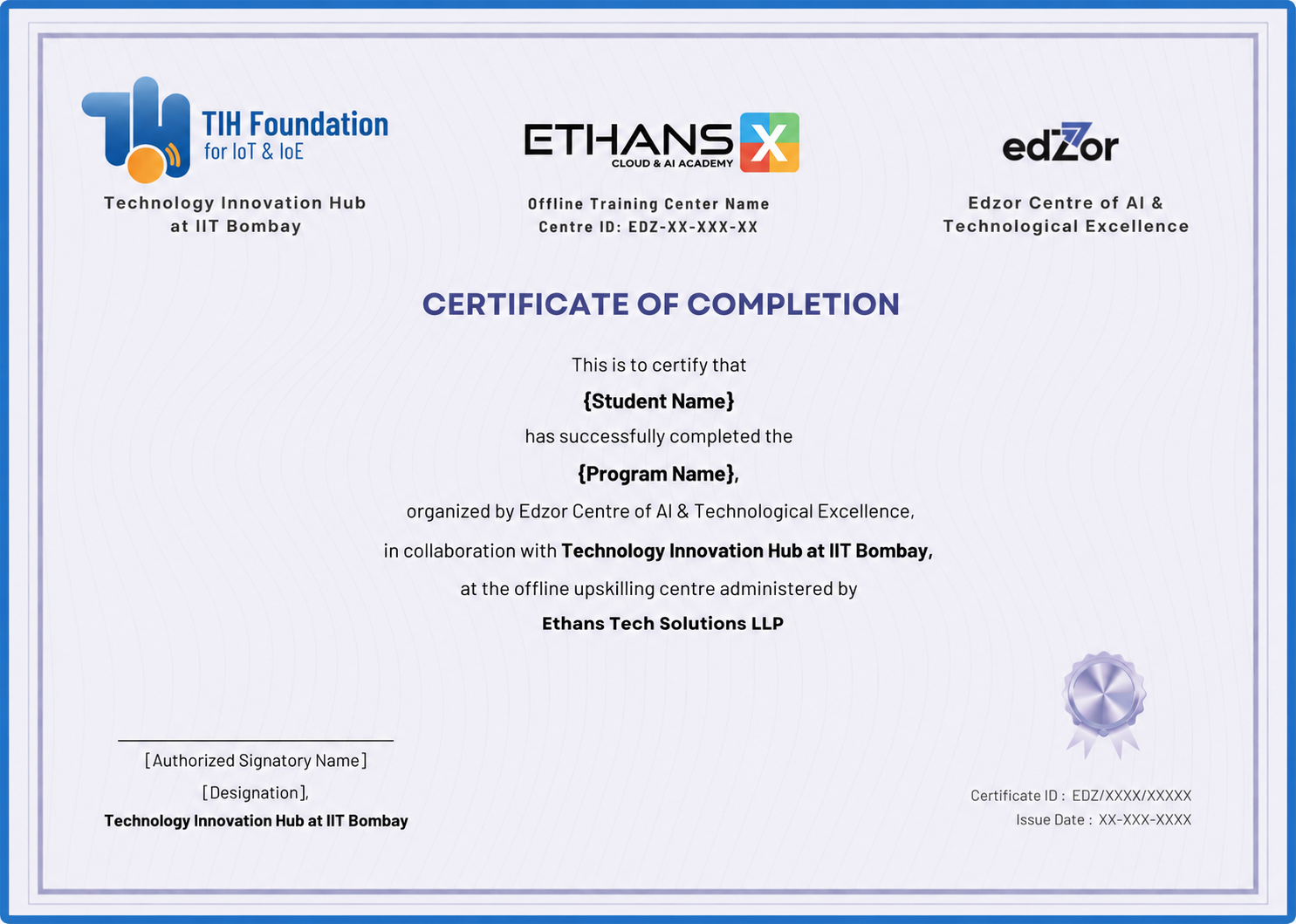
TIH at IIT Bombay
Recognized certification from TIH at IIT Bombay, adding strong credibility and value to your resume.
Industry Relevant Skills
Demonstrates practical knowledge and industry-relevant skills aligned with modern technologies and real-world applications.
Continuous Learning and Enhances Career Opportunities
Reflects commitment to continuous learning and enhances career opportunities in tech and innovation-driven fields.
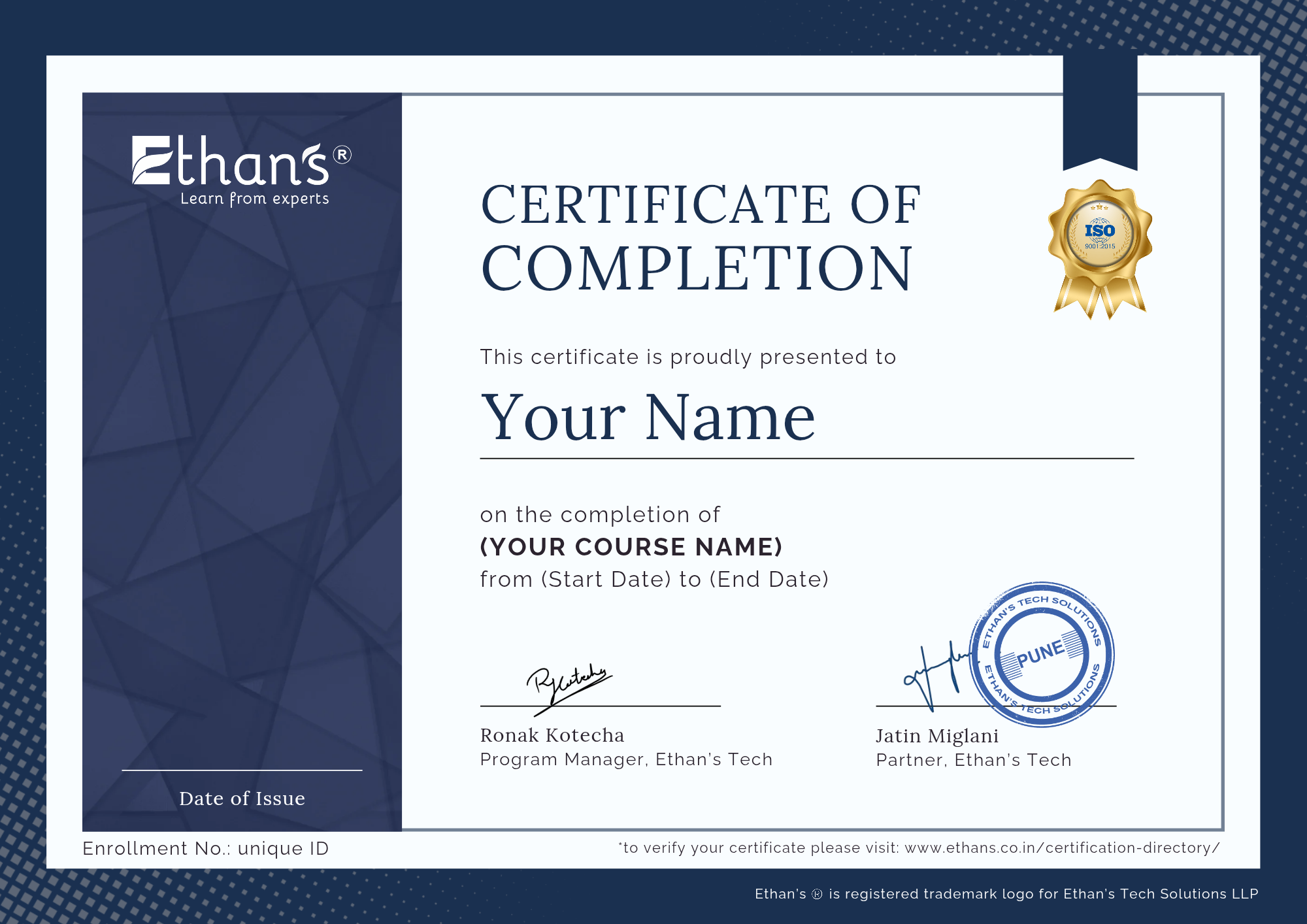
Validated Certification from Ethans Tech
Receive a professional certificate that validates your expertise and is recognized across leading IT companies.
Training Backed by Real-World Expertise
Ethans Tech follows a practical, hands-on training approach aligned with industry needs, boosting your job readiness.
Professional Credential for Career Growth
Showcase your technical skills with a credible certificate that strengthens your portfolio and improves hiring prospects.
Master 12+ In-demand Skills in Generative AI
- Generative AI Fundamentals
- Python for AI & ML
- Neural Networks & Deep Learning
- GANs (Generative Adversarial Networks)
- Large Language Models (LLMs)
- Text Generation & NLP Applications
- Image Generation & Computer Vision
- AI Model Training & Fine-Tuning
- Prompt Engineering Techniques
- AI Ethics & Responsible AI
- Tools & Frameworks
- Generative AI Project Deployment
Most Enrolled AI Courses in Pune

PROFESSIONAL PROGRAM
4.9
(1.4k+ reviews)
- 4 Months
- Limited Seats
- Upskill
- Weekday/Weekend Hybrid
₹64,090
30% OFF
+GST*
CRASH COURSE
4.8
Applied GenAI & AgenticAI Certification
Fast-track your AI journey with practical, hands-on training focused on applying GenAI models in realworld scenarios.
- 2 Months
- Limited Seats
- Upskill
- Weekday/Weekend Hybrid
₹38,350
30% OFF
₹29,500
+GST*
Next Batch Starts on
6th Oct
4.7

4.6

4.5

Why Choose Ethan’s Tech?
OTHERS
- Breadth and Depth of Curriculum
- Beginner-Friendly Bootcamp
- GenAI Integration
- Specialised Paths
- Projects Experience
- Alumni & Outcomes
- Hands-On Learning Model
- Mentorship & Faculty Access
- Comprehensive
- Structured Start
- Fully Applied
- Multiple Tracks
- Real-World & Personalized
- Large Network
- Applied & Practical
- Expert-Led
- Limited
- No On-Ramp
- Light Touch
- One Track
- Minimal & Fixed
- Small Base
- Theory-Heavy
- Basic Support
What our Students Say
Ethan’s Office Tour
Ethans Tech is a leading professional training institute founded with the mission to bridge the gap between academic learning and real-world skills. With a strong presence in Pune and expanding across India, Ethans Tech has trained thousands of students and working professionals, helping them upgrade their careers in the most in-demand technologies.
The name “Ethans” represents a commitment to “education with excellence”. It’s not just a name; it’s a culture — built by passionate industry experts who believe in practical, hands-on learning rather than rote education. Every trainer at Ethan’s is a seasoned professional with real industry exposure, making the learning experience highly relevant, practical, and impactful.
At Ethans, it’s not just about completing a course — it’s about building a career.
Ethans Tech is a premier professional training institute dedicated to bridging the gap between academic education and real-world industry skills. Headquartered in Pune and expanding across India, Ethans Tech has empowered thousands of students and working professionals to advance their careers in today’s most in-demand technologies. With experienced industry trainers and a strong focus on practical, hands-on learning, the institute ensures highly relevant and career-oriented training that prepares learners to succeed in the professional world.
Get a Free Consultation!
Call us today and get your queries answered by our top experts.
Learners Profile
- 11% – BCA, B.Sc (IT/CS/Maths/Stats) Graduates
- 23% – B.Tech & M.Tech Graduates (CS, IT, ME, CIVIL)
- 27% – Working Professionals (6+ Years of Work Ex)
- 23% – Early Career Professionals (1–6 years of experience)
- 16% – Career Comeback Learners (with a gap in education or employment)
This blend of learners adds immense value to the learning experience — offering unique perspectives, fresh ideas, and real-world context to every session
Learner Profiles & Trusted Companies
Generative AI & Agentic AI Classes in Pune FAQs
Everything you need to know about the program.
What is the difference between Advance Certification in GenAI & AgenticAI and Applied GenAI & AgenticAI Certification?
What kind of learning approach does this program follow?
Is Machine Learning and Deep Learning mandatory?
What are the prerequisites for Generative AI Training in Pune?
Ethans Tech Generative AI program doesn’t require any prerequisites to start.
Our program encompasses all the fundamental concepts necessary to grasp generative AI techniques, which include logical building, programming techniques, concepts of data processing, LLM, NLP and RAGs.
Who should consider Generative AI training in Pune?
What if I have queries after I complete this course?
Who are the instructors?
Will Ethans be providing any study materials?
What types of courses are available at Ethans?
Does Ethans provide Job Assistance?
What are the profiles and experiences of trainers at Ethans?
Do I need to pay the complete fee lump sum or I can have an installment facility too?
The fee which I will pay is refundable or transferable?
What are the facilities and infrastructure at Ethans?
Does Ethans provide Online Training?
Does Ethans provide facility to repeat the batch?
Does Ethans provide Institutional Certification after the course?
Does Ethan's conduct training at Corporates?
Yes, we are frequently engaged in corporate training being the market leader with a big pool of corporate trainers having a wide network with collaboration with several top MNC’S that ultimately becomes an add-on for placing our students with such references.


